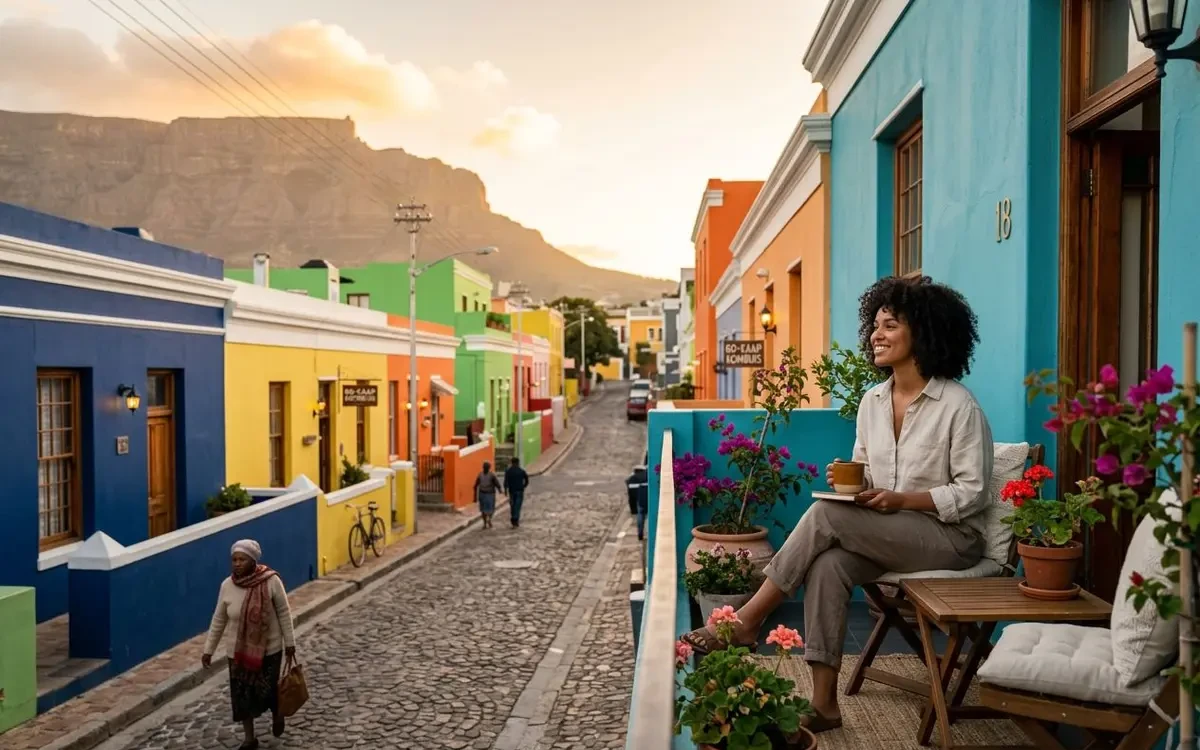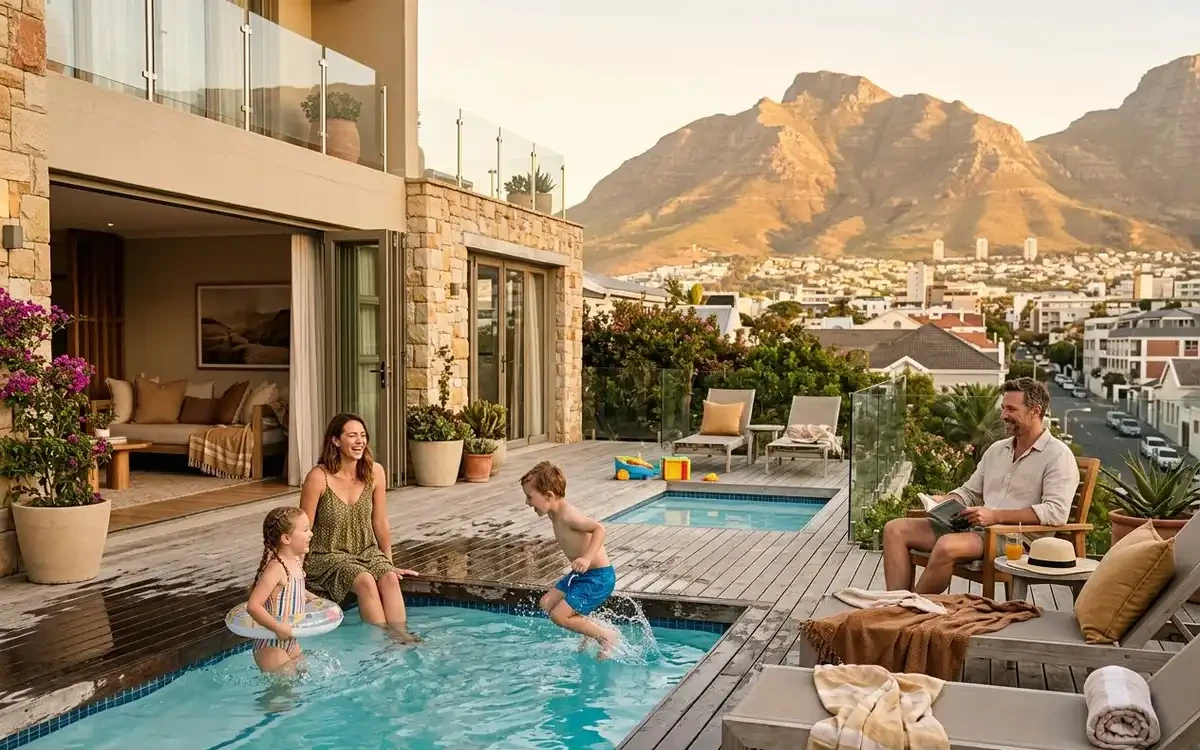
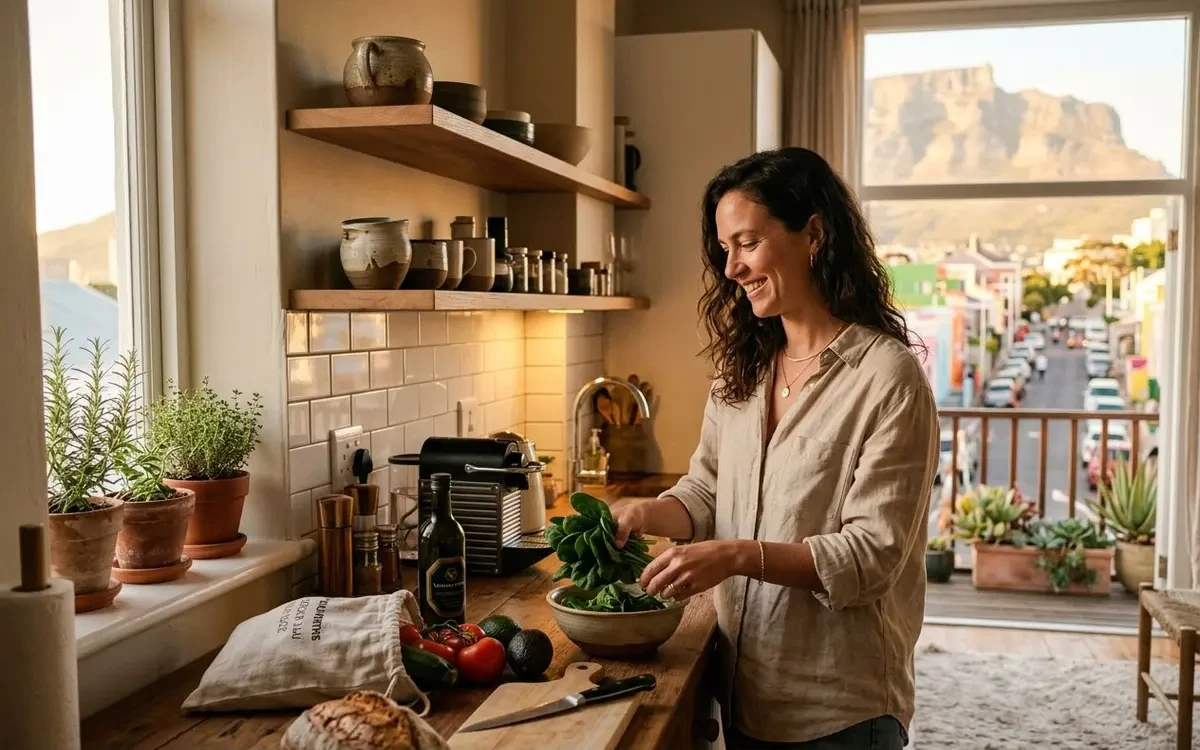
In most cities, self-catering is a compromise — you choose it to save money and accept that the food will be worse. Cape Town does not work like that. The food retail here is genuinely excellent: Woolworths Food operates at a quality level that surprises most international visitors, the farmers markets are real markets with real produce, and the delis stock things worth cooking with. Self-catering in Cape Town is not a budget decision. It is often the better food decision.
The Case for Self-Catering
Eating out in Cape Town is good but it is not cheap — a dinner for two at a decent restaurant runs R600–R1,200, and that adds up over a week-long stay. A self-catering kitchen lets you eat very well for breakfast and lunch at a fraction of that cost: good bread, excellent local cheese, fruit that actually tastes of something. This frees up your restaurant budget for the two or three dinners that genuinely warrant the full experience. You eat better overall, and you spend less.
The other argument is that shopping in Cape Town is itself enjoyable. The Oranjezicht City Farm Market on a Saturday morning is a genuinely good way to spend an hour, and you come home with better produce than any hotel buffet would put in front of you.
Best Areas for Self-Catering
The Southern Suburbs — Constantia, Tokai, Bishopscourt — are the natural home of self-catering stays in Cape Town. Properties here tend to have proper kitchens, gardens, and outdoor space. The trade-off is distance: you will need a car for everything, and the Atlantic Seaboard is 30–40 minutes away. For families or groups, the space justifies it.
Sea Point offers the best combination of Atlantic Seaboard access and grocery infrastructure. Multiple supermarkets are within walking distance, Woolworths Food on Main Road is well-stocked, and you are close enough to the city that you can be car-free for much of the day. Atlantic Seaboard apartments suit shorter self-catering stays of three to five nights.
Noordhoek is for people who want remote beauty and don't mind the distance. The drive into the city takes 45 minutes on a good day. In exchange, you get space, quiet, and a location that feels nothing like a typical holiday rental.
What to Cook With
Start at the Oranjezicht City Farm Market (Saturday mornings at Granger Bay, near the V&A Waterfront) for exceptional fresh produce — the tomatoes, stone fruit in season, and bread from the artisan bakers are the highlights. Follow that with a Woolworths Food run for quality convenience items: their pre-marinated proteins, good olive oils, and ready-made sides are genuinely useful. Checkers handles budget staples and wine (their wine selection is large and the value at the R100–R200 range is good). A Saturday morning covering both OZCF and Woolworths will set you up for three comfortable days of self-catering without much further effort.
What to Check in the Listing
Before booking, check these specifically: whether the hob has a gas backup for load shedding (a gas hob means you can cook regardless of power cuts — this matters more than most listings acknowledge), whether there is a braai or barbecue, whether the washing machine is functional for stays over four nights, and which supermarket is nearest. Listings that don't mention load shedding backup at all are often in buildings where the generator only covers lights and sockets, not the stove.
The Braai Culture
Cape Town takes outdoor cooking seriously. A braai is not a weekend novelty here — it is the default way to cook in good weather, and good weather in Cape Town is common. Most self-catering properties have a braai; use it. Woolworths Food and a good local butcher both stock meat at a quality level where a simple braai — good lamb chops, boerewors, a salad from the OZCF market — is a meal worth remembering. Braaing on an Atlantic Seaboard deck as the sun drops over the ocean, or in a Southern Suburbs garden with the mountains behind you, is one of the experiences that distinguishes a Cape Town stay from any other city.