Why the Cederberg
About three hours north of Cape Town, the Cederberg Wilderness Area feels like a different planet. Massive sandstone formations that have been weathered into impossible shapes, ancient San rock art that's thousands of years old, and some of the clearest night skies in the entire Western Cape. It's raw, rugged, and completely unlike anything else within driving distance of the city.
This isn't a polished tourist destination — there are no entrance gates with gift shops, no coffee carts at the trailheads. That's what makes it special. The Cederberg rewards people who plan ahead and don't mind a bit of dust on their shoes.
The Route
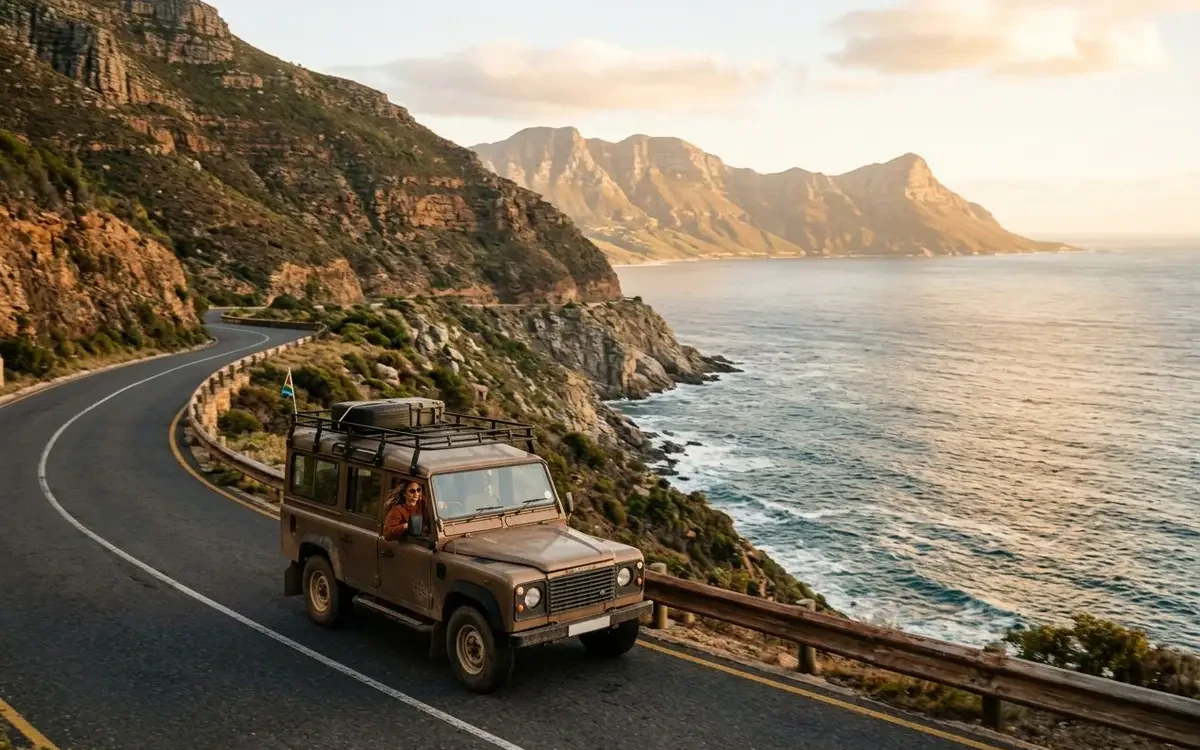
Take the N7 north from Cape Town towards Citrusdal — it's about two hours of easy highway driving through the Swartland wheat fields. From Citrusdal, you'll turn off onto gravel roads, and this is where the trip changes character. The main access roads to the wilderness area are generally in decent condition, but after heavy rain they can deteriorate quickly.
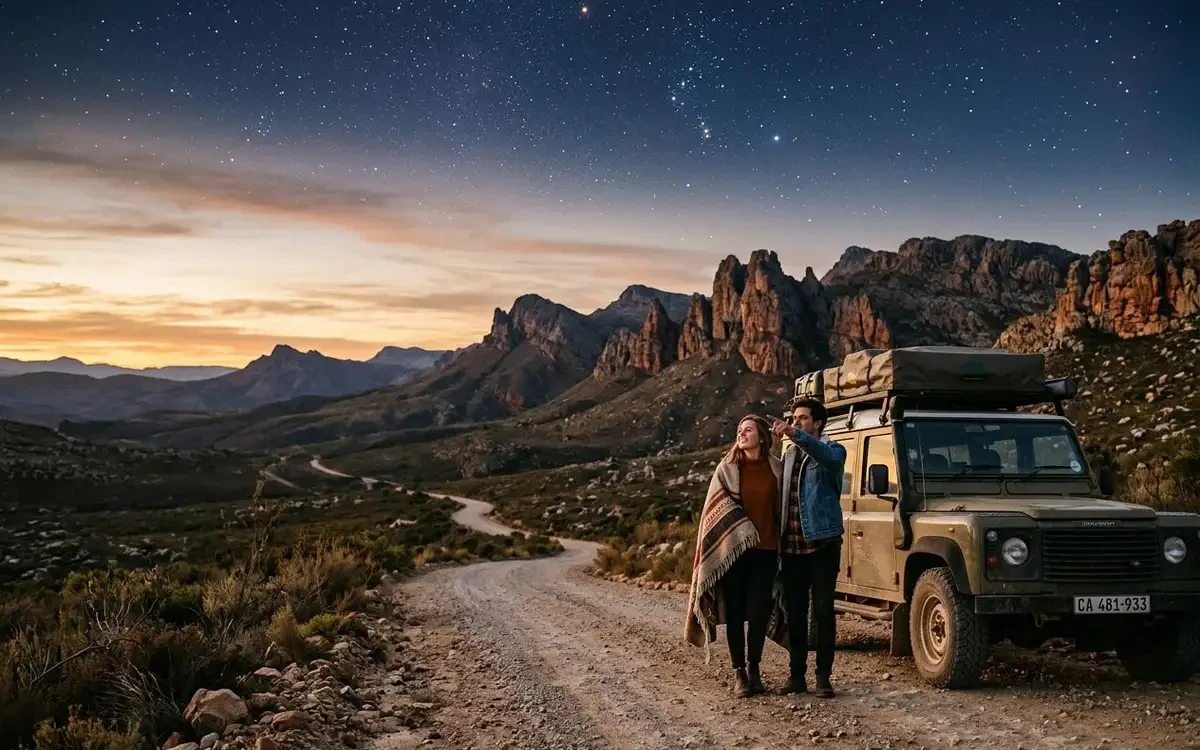
A high-clearance vehicle is recommended but not always essential. If you're heading to the more remote sites like Wolfberg Arch or the Maltese Cross, the roads get rougher and a bakkie or SUV will make your life significantly easier. Check road conditions with your accommodation before you leave — they'll give you an honest assessment. Don't rely on Google Maps for the gravel sections; it doesn't always know which roads are passable.
The Must-Sees
The Maltese Cross is the Cederberg's most iconic formation — a towering pillar of sandstone that genuinely looks like a cross. The hike is about four hours return from the Dwarsrivier trailhead, and it's moderate rather than difficult. The last section scrambles over rocks, but anyone with reasonable fitness can manage it. Start early to avoid the heat.
The Wolfberg Arch is more demanding — a full-day hike that involves some scrambling and route-finding. The arch itself is enormous and the views from the top are extraordinary, but this one isn't for beginners. Go with someone who knows the route or hire a local guide.
Stadsaal Caves are more accessible and perfect if you have children or limited time. The San rock art here is remarkably well preserved, and the cave formations are striking. Truitjieskraal is another rock art site worth visiting, but the real draw is the stargazing — on a clear night, the Milky Way is so vivid it almost looks fake.
Where to Stay
Algeria campsite is run by SANParks and sits in a beautiful valley surrounded by cedar trees. It's basic but well-maintained, with braai facilities and clean ablutions. Book well in advance — it fills up months ahead, especially over long weekends and school holidays.
If camping isn't your thing, Bushmans Kloof is the luxury option. It's a private reserve on the edge of the wilderness area with world-class accommodation, San rock art sites on the property, and the kind of silence that money can't usually buy. It's expensive, but it's a genuinely special experience.
For something in between, Sanddrif offers self-catering cottages and campsites near the Maltese Cross trailhead. It's well-positioned for hiking and the hosts are helpful with route advice. Just remember — most accommodation in the Cederberg has no cellphone signal. Tell someone where you're going before you leave, and enjoy the disconnection.
When to Go and What to Pack
The best months are April to October. Autumn brings cooler temperatures perfect for hiking, and from August onwards the wildflowers start appearing. Winter nights can be bitterly cold — we're talking near-freezing — but the skies are at their clearest and the landscape has a stark beauty that's hard to beat.
December to February is brutally hot. Temperatures regularly exceed 40°C, the fire risk is extreme, and hiking becomes genuinely dangerous. I wouldn't recommend a summer trip unless you're an experienced outdoors person who knows how to manage heat.
Pack layers regardless of when you go — the temperature difference between midday sun and evening shade can be 20 degrees. Bring a headlamp (not your phone torch), extra water beyond what you think you'll need, sunscreen, and a hat. If you're camping, a warm sleeping bag rated to at least 0°C for winter trips. And bring all your food and supplies — there's nowhere to buy anything once you're in the mountains.