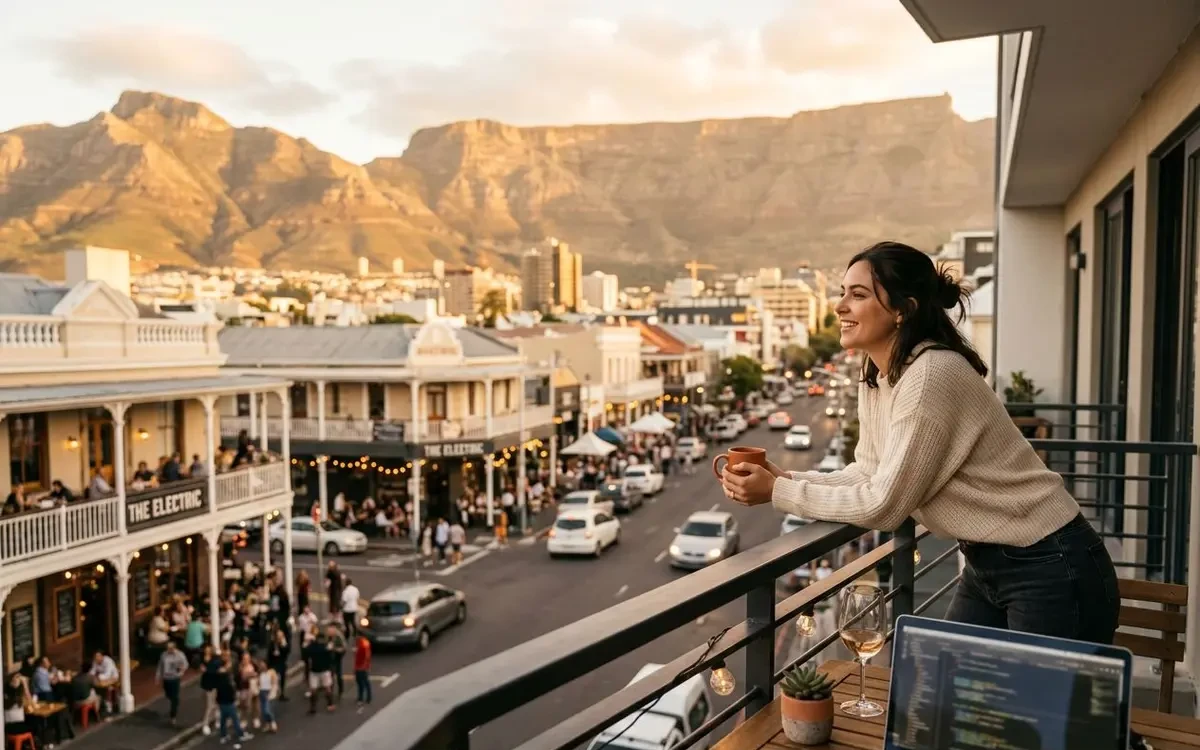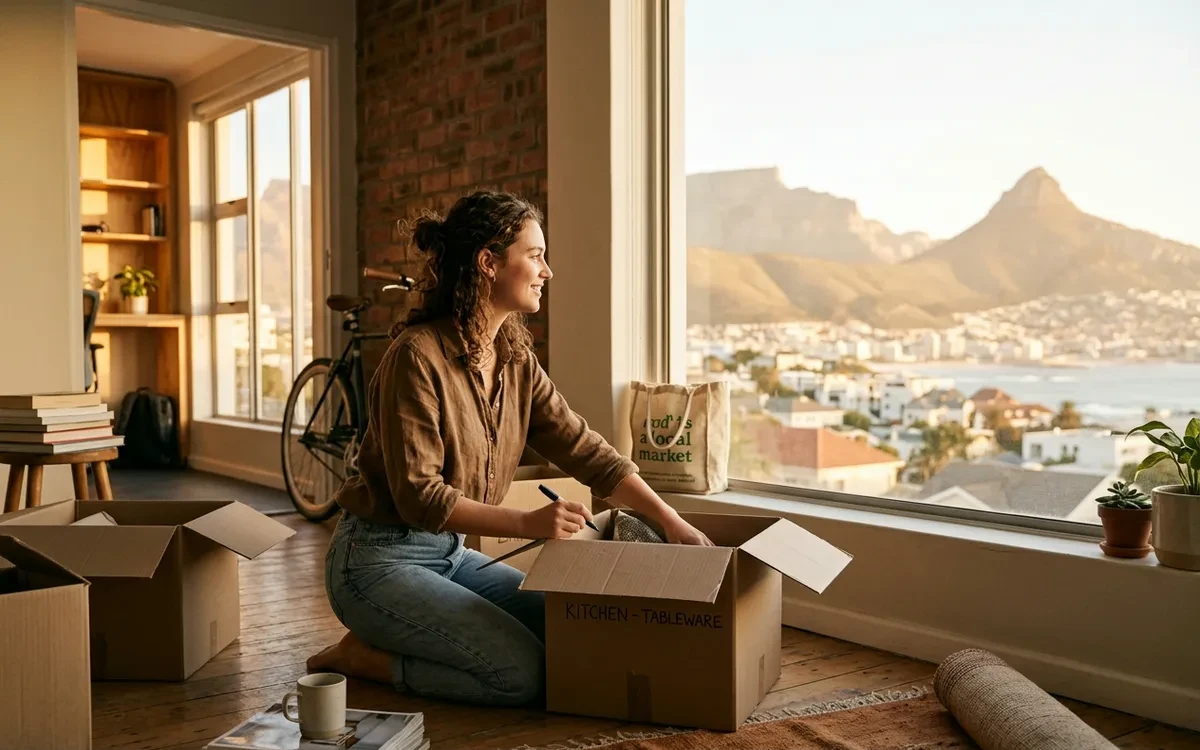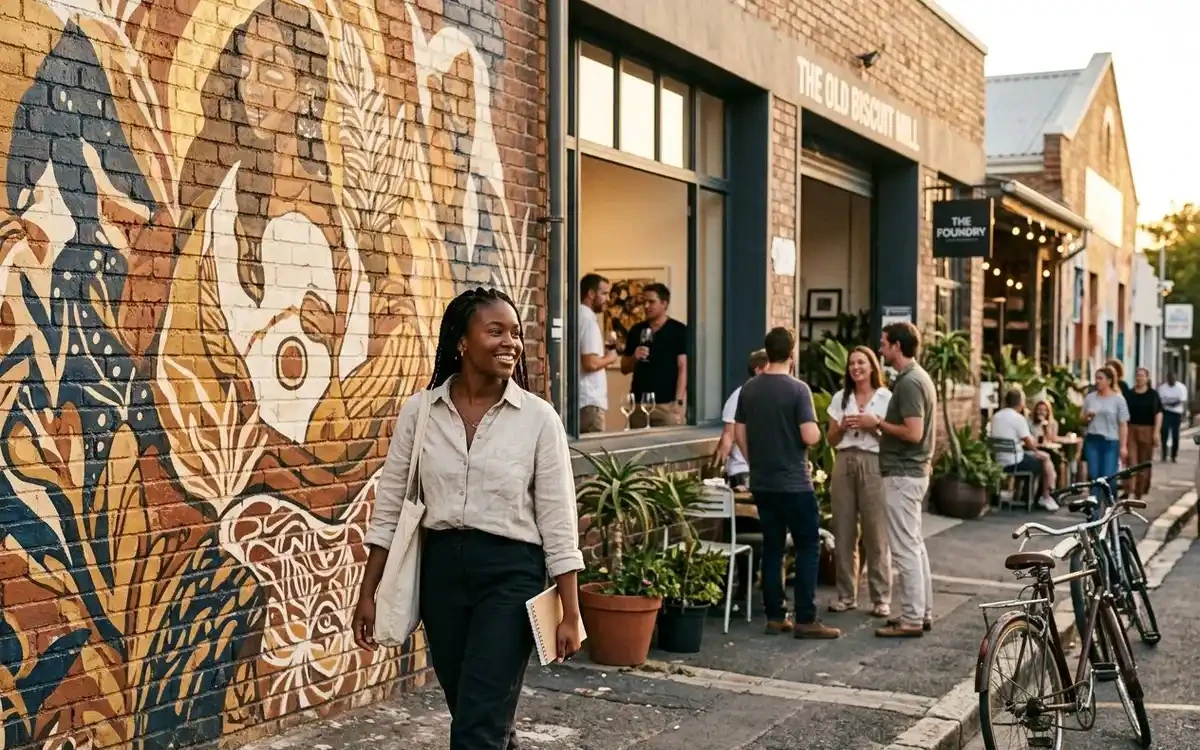
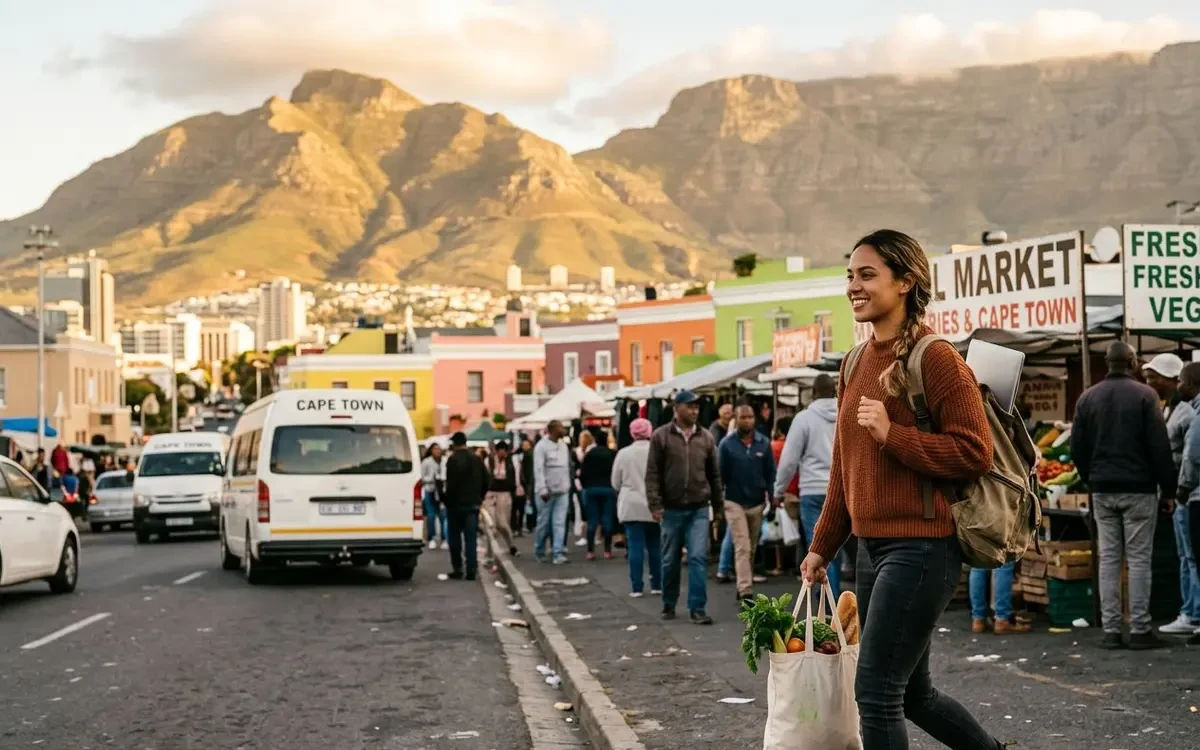
I have been asked, more times than I can count, what it's actually like to live in Cape Town. Not the version on the travel blogs — the one with sunset cocktails at Camps Bay and hikes in golden light — but the honest, daily version. I've lived here for over a decade. Here's what I'd tell someone who was genuinely considering it.
The Good Stuff Is Real
The mountain is genuinely always there. After ten years I still look up at Table Mountain on a clear morning and feel something. The access to outdoors — hiking, cycling, swimming, sailing — within twenty minutes of the city centre is not exaggerated in the brochures. The food scene has matured significantly over the past five years, the coffee culture is serious, and the neighbourhoods each have a distinct character that rewards exploration. If you value quality of life in the physical, environmental sense, Cape Town delivers.
The social scene is warm and moves relatively slowly compared to Johannesburg. People make time for each other, lunches run long, and the pace of a Cape Town weekend — market in the morning, beach in the afternoon, dinner somewhere with a view — is genuinely one of the more pleasant ways to spend time that I've encountered anywhere.
The Infrastructure Is Unpredictable
Load shedding — scheduled power cuts, sometimes for two to four hours a day — has been a feature of Cape Town life for years. It's improved recently but the underlying grid vulnerability hasn't gone away. Most people who live here have adapted: backup batteries for the internet router, an inverter or generator for essentials, a gas hob if you cook. Visitors often find it jarring; residents have built it into their routines. It's manageable but it is real and it does affect daily life.
Water remains a sensitive topic after the 2018 Day Zero drought scare, when Cape Town came within weeks of running out of municipal water. Restrictions are now less severe and the dams are better managed, but water consciousness is baked into how people here think and talk about the city. Leak-free plumbing, short showers, and garden water-harvesting aren't unusual.
The Cost of Living Has Shifted
Cape Town has become significantly more expensive over the last five years. Remote workers arriving with foreign currency during and after Covid pushed property prices and rents in desirable suburbs to levels that many locals can no longer comfortably afford. The Atlantic Seaboard, Constantia, and parts of the Southern Suburbs are now expensive by international standards, not just South African ones. There are still affordable pockets — Woodstock, Salt River, parts of the Northern Suburbs — but the squeeze is real and ongoing.
Groceries, restaurants, and services remain generally cheaper than equivalent European or North American cities. The exchange rate advantage for those earning in pounds, euros, or dollars is significant. For those earning in rands, the calculus is different and increasingly difficult in the higher-demand neighbourhoods.
Safety Is Context-Dependent
Crime is the subject that every honest guide to Cape Town eventually has to address. The city has serious inequality, some neighbourhoods with high violent crime rates, and a car break-in problem that affects everyone eventually. The experience of safety in Cape Town is highly variable depending on where you live and how you move around the city.
In practice: the central suburbs, the Atlantic Seaboard, the Southern Suburbs, and the City Bowl are generally safe by the standards of most major cities. Opportunistic theft from cars is common — don't leave anything visible. Night-time situational awareness matters, particularly in the CBD. The townships and some outlying areas require more care and are best visited with a guide or through established programmes if you're new to the city.
None of this should stop anyone from living here. It should inform how you set up your life when you arrive.
The City Gets Under Your Skin
Almost everyone I know who moved to Cape Town intending to stay for a year or two is still here. There's something about the combination of natural beauty, the pace, and the social warmth that makes it difficult to leave. It's not a perfect city — the inequality is stark and uncomfortable, the infrastructure is fragile, and some of its best features are becoming accessible only to those with money. But for the kind of life it enables on a good day, I haven't found anything I'd trade it for.